
Sources for Former Owners of a Charlotte County Property
Build the ownership timeline from the official custodian outward. The statewide SRA portal is the online path, with Charlotte County access enabled there. The local Clerk holds the official deed records and land instruments. The Clerk can also point a researcher to older books or grantor and grantee indexes. The exact starting year for online coverage remains an open question. So do the imaging cutover, the local deed-book microfilm range, and the historic tax-roll series. The table below separates two groups of sources. One group is ready for a visitor to use right now. The other group holds the coverage items still unconfirmed.
| Source | Years It Covers | Where Held | What It Shows |
|---|---|---|---|
| Virginia SRA/COVERS | Charlotte's earliest online year not verified | State system; Clerk controls local access | Index entries; images require local authorization |
| Charlotte deed books and indexes | Ask the Clerk for local volume dates | Charlotte Circuit Court Clerk | Recorded conveyances and party references |
| Recorded plats and order books | Individual record citations; series range not inventoried | Clerk-held land and court records | Lot, boundary, and referenced tract context |
| Charter and local-history sources | Town history includes named periods from 1756 onward | Virginia charter library and local library | Older place names and municipal boundary leads |
For a recent transfer, search the current party names in SRA. Then confirm the recorded image with the Clerk. Older instruments fall outside the portal's available years. Ask the Clerk for the earlier deed-book series before turning to any archive catalog. For a historic place-name question, try the charter library. Local history shelves may also suggest spelling variants. Those aids help, but they never substitute for the conveyance instrument itself.
The Charlotte County Deed Index Cutoff Is Still Unknown
Where does the online deed index actually begin? The accessible official sources do not fix the first year available in Charlotte County's SRA coverage. They also leave open the point at which deed images start. That uncertainty should shape any search plan. An empty online result is not proof that a former owner never conveyed the land. Ask the Clerk which years the local index covers. Also ask whether image access is active, and where the search should continue before the online span begins.
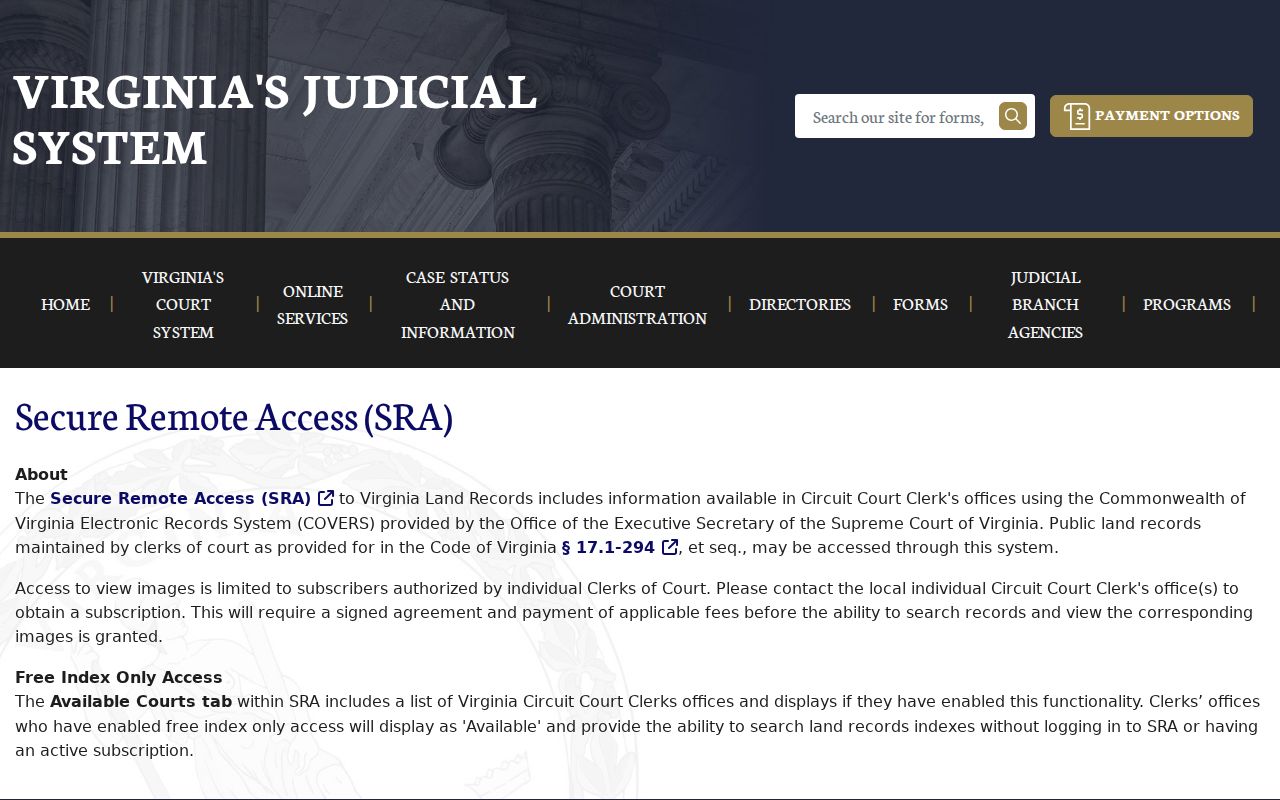
Virginia Courts allows a clerk to permit free index-only access. Images, however, require clerk-authorized subscriber access, a signed agreement, and payment. Statewide rules do not prove local availability. If it is not online, request the public terminal. The older grantor and grantee books at the courthouse are another option. The Clerk's office sits at 115 David Bruce Avenue, Charlotte Court House. Its phone is (434) 542-5147.
The Virginia Courts SRA guidance distinguishes those access modes. The page presents statewide information; the local coverage question belongs to Charlotte County's Clerk.
No courthouse fire, destroyed deed range, or local digitization year appears in the sources. Do not fill a gap with a story borrowed from a neighboring county.
Historic Names Can Help Find Charlotte County Former Owners
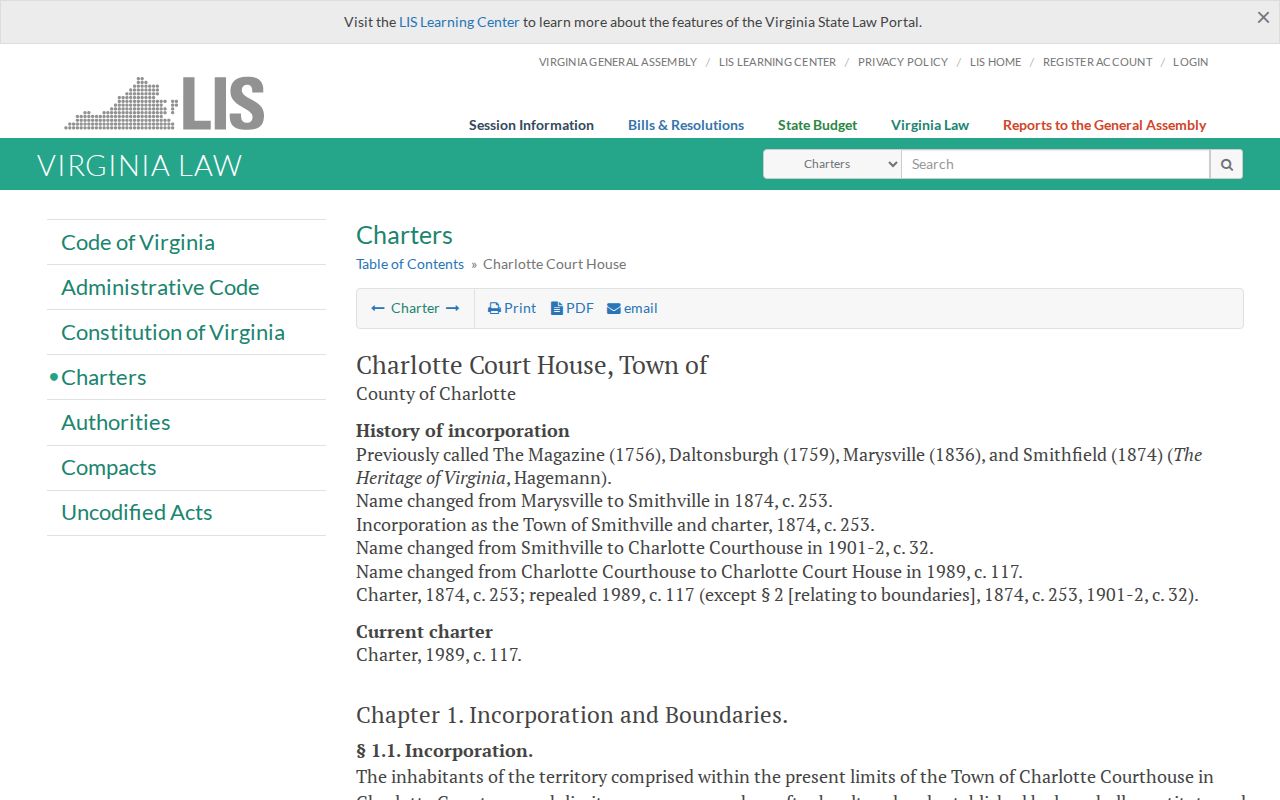
Older references near the county seat use place names that no current tax card carries. The charter history records several name changes over the years. It lists The Magazine in 1756 and Daltonsburgh in 1759. Marysville appears in 1836. The Smithville or Smithfield names also show up. Charlotte Courthouse was recorded in 1901-02, and Charlotte Court House in 1989. Treat these as spelling variants when searching local histories and map references. Then confirm any hit against the same place and parcel.
Charlotte Court House's boundary description centers on the courthouse. It follows the two-mile-square limits in the 1874 charter. Keysville's charter cites a boundary plat at Common Law Order Book 18, page 83. Such records can link an old town name to a clerk-held boundary record. They still cannot establish who owned an individual tract. That answer comes from the deed and its legal description.
The town charter history records the name sequence. It serves as a lead for historic terminology.
When a deed book uses an old place name, record it exactly as written beside the modern address, so the next property search can test both forms.
Charlotte County Former Owners Follow the Legal Description
A chain is about the same land. It is not merely a run of people with similar names. Rural road labels and mailing addresses change over time. A deed description may use metes and bounds, acreage, lot and block, or a prior plat reference. Compare the description in the latest deed with each earlier deed. If only part of a larger tract was conveyed, a name match alone can pull the search into the wrong parcel.
Use the property card's Map key to orient the modern tract. Do not assume an older deed carried a map number. The deed's book and page, or its instrument number, is the Clerk's locator. The card's Record, Account, and Map numbers are assessment keys. Keep them in separate columns in your notes.
When an older deed cites a plat or order book, ask the Clerk for that volume. The Keysville Common Law Order Book 18, page 83 boundary entry is one confirmed example of a non-deed record. It matters to historic parcel research.
Walking Backward from a Charlotte County Grantee
Read the chain backward, from the newest transfer toward the earliest deeds. Start with the latest deed matching the parcel. Identify the grantee. Then read the grantor, and search that grantor as a grantee in an earlier period. Use the legal description and any referenced prior deed to judge whether each instrument covers the same tract. This method rebuilds a line of recorded transfers. But it cannot guarantee that every interest or unrecorded event appears.
- Find the latest instrument tied to the parcel and write down its parties, date, and description.
- Search the grantee's name to locate the acquisition deed, then note the grantor.
- Search that grantor as the next earlier grantee and compare the land description.
- Continue through name variants, estates, and entities; move to clerk-held books when online coverage ends.
- Grantor / grantee
- The conveying party and receiving party named in an instrument.
- Chain of title
- The ordered sequence of recorded conveyances and related instruments affecting the land.
- Legal description
- The tract description in the deed, which can remain useful when a street name changes.
Probate Records Can Explain a Break in the Charlotte County Chain
A chain of title does not always run from one person straight to the next. When an owner dies, Charlotte County land can pass through an executor, administrator, trustee, or heirs instead. A deed of distribution is often the instrument. It moves the parcel out of the estate. The Charlotte Circuit Court's fiduciary desk is the local starting point. It handles wills, estate orders, inventories, and representative deeds. Search the land index under the decedent, the estate, and the representative's name alike.
The county card may still show an estate or trust name long after a transfer event. Look instead to the latest recorded deed or fiduciary order for the true owner of record. An obituary can help you find a probate file. It can supply a spelling, a spouse, or a death date. It is not proof that a given person inherited a given parcel.
The Clerk's office publishes no Charlotte-specific probate form or fee schedule online. When you contact the office, give the decedent's full name, the estate number if known, an approximate date, and the parcel description.
Libraries Offer Leads for Charlotte County Ownership History
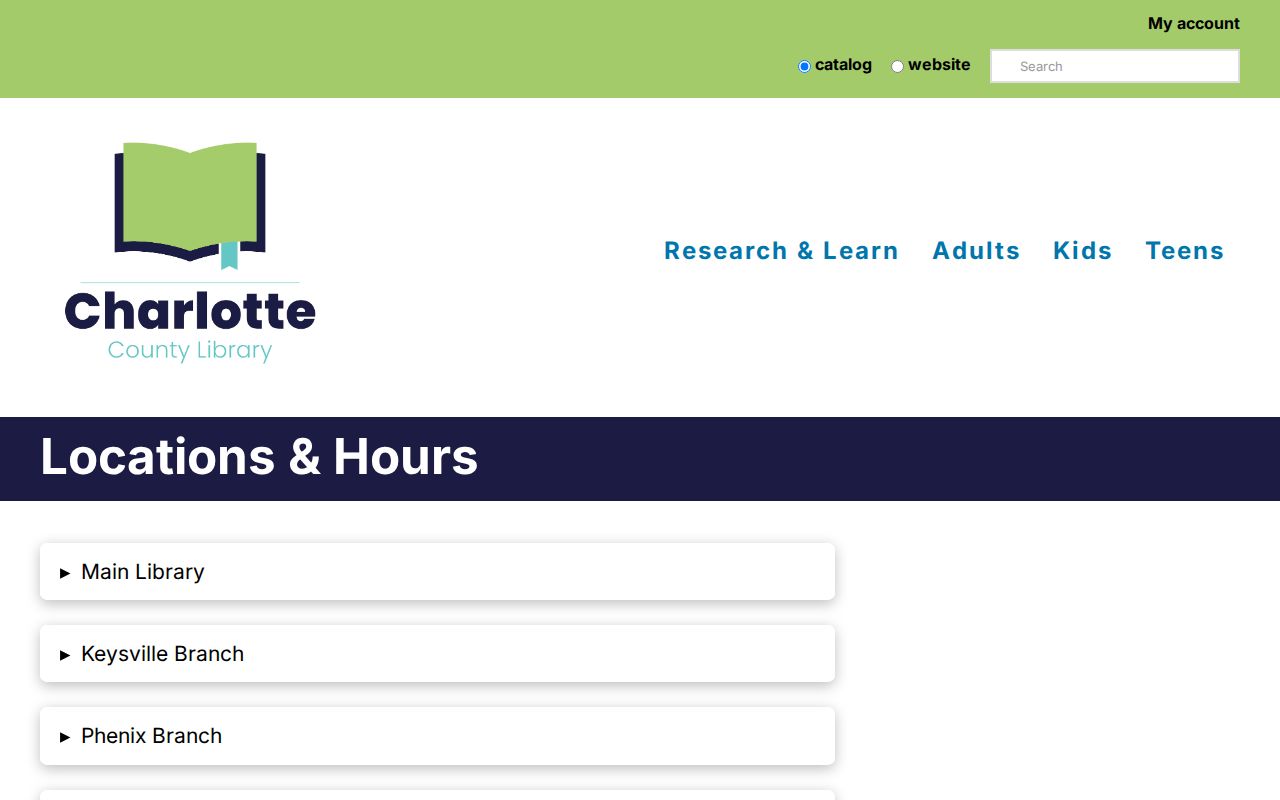
Charlotte County Public Library keeps its main location in Charlotte Court House. It has branches in Keysville, Phenix, and Wylliesburg. A librarian can tell you whether local newspapers, county histories, family files, cemetery references, or genealogy databases might resolve an old name or address. The online locations page lists branches and hours. It does not confirm shelf holdings. No deed index, city directory, or obituary file is guaranteed to be there.
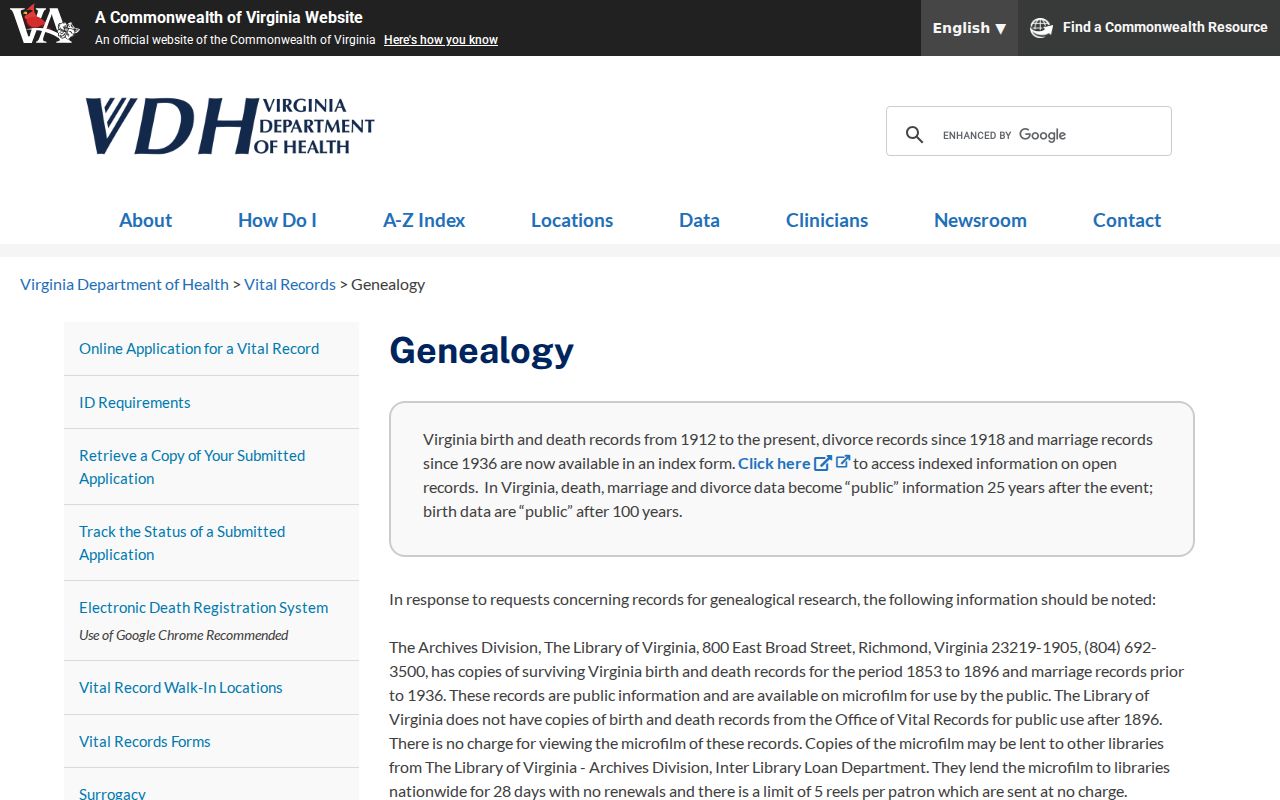
The Library of Virginia Archives Division is the statewide destination named in Virginia Department of Health genealogy guidance. It covers early vital-record microfilm and archival material. That material can tie a person, a date, or a family name to a later deed search. It does not prove a Charlotte County deed-book series. Confirm any local land-book microfilm or finding aid through the catalog. Ask the Clerk as well before you rely on it.
The Virginia genealogy guidance describes the archives and microfilm context. Its focus is state genealogy records, not a specific Charlotte land volume.
Library staff can point you toward a next source. The Clerk's recorded instrument remains the real evidence of a land transfer.
The Charlotte County Public Library location page confirms access points in Charlotte Court House, Keysville, Phenix, and Wylliesburg. It maps the branch network rather than a catalog of land-record books.
Call a branch before relying on a newspaper index, family file, or directory. Ask whether a named historical collection exists there.
How Far Back Charlotte County Former Owner Records Reach
No official source publishes Charlotte County's earliest deed-book date or its online SRA cutoff. The county Clerk can identify the oldest available grantor and grantee indexes. The Clerk can also say whether older books, scanned pages, or microfilm wait at the counter. The Library of Virginia catalog may list related holdings. But confirm the county, series, book numbers, date range, and image limits before planning a chain search.
Charlotte has no documented courthouse fire, destroyed deed period, WPA index project, or imaging cutover. So do not assume missing years. Work backward until a genuine gap appears. Then document it and ask the custodian for the next series rather than inventing continuity.
Lawful use. Use former-owner records for property history, lawful title diligence, estate work, and local history. Do not use them to locate, track, threaten, or harass a living person.